
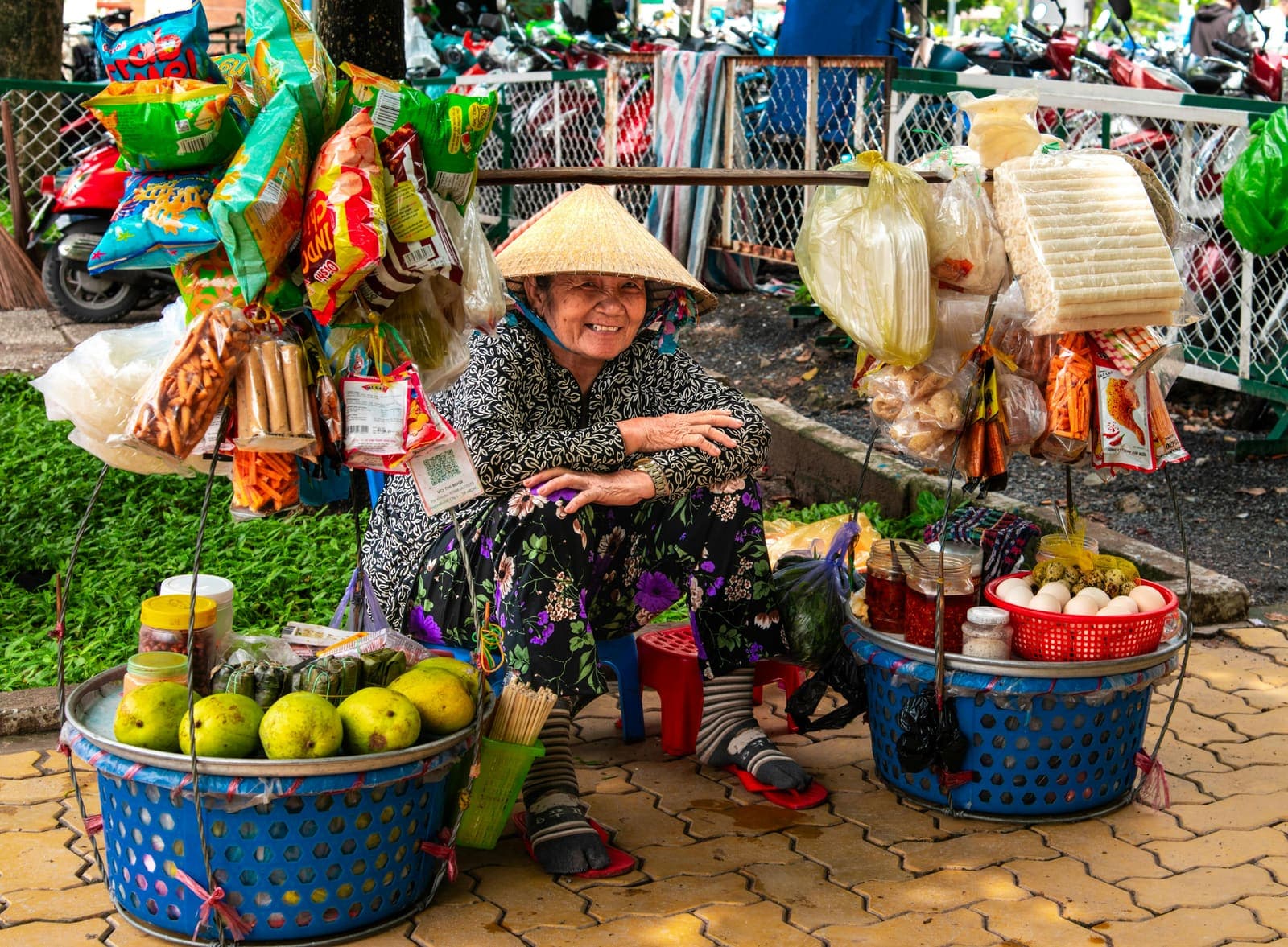
A Personal Learning Coach in conversation with a student.

How It Works

A Teacherof their own.

A qualified educator who designs your child’s entire education around the life your family is living.

Your Coach

One qualified teacher. One student. One relationship that holds everything together.

Your child’s Personal Learning Coach is a qualified educator assigned at enrollment. More than a tutor or online platform. The coach is the constant thread in your child’s education, the one person who designs curriculum around your family’s journey, meets weekly with your child, and meets monthly with you.

Before your family departs for a new destination, the coach is already working. Units are built around the places you will visit, the history that lives there, the questions your child has been carrying. By the time you arrive, the curriculum has arrived first.

Each week your child meets live with their coach. Each month the coach meets with you. Progress is tracked. Standards are met. The curriculum evolves as the journey does. The coach knows your child, not as a row in a dashboard, but as a person.

The Method

Six phases. One continuous cycle.

Every unit your child completes moves through the same six phases. Always anchored to where they are in the world.

Read clockwise. The cycle begins again at 01.

  1. Phase 01, Inquiry. A real question worth chasing. Start with a real question. One your child wants to answer about the place or experience ahead.
  2. Phase 02, Research. The knowledge to chase it. Build the knowledge to pursue it. Sources, history, science, culture.
  3. Phase 03, Connect. Guides, locals, experts. Meet the guides, locals, and experts who live what your child is studying.
  4. Phase 04, Engage. The work, in the world. Do the thing itself. The field work. The performance. The project.
  5. Phase 05, Present. Share with evidence. Share what was learned with clarity, evidence, and confidence.
  6. Phase 06, Reflect. What stayed, what changed, what's next. Process what happened and what comes next, intellectually, physically, honestly.
  1. Phase 01 / 06

    Inquiry

    Start with a real question. One your child wants to answer about the place or experience ahead.

  2. Phase 02 / 06

    Research

    Build the knowledge to pursue it. Sources, history, science, culture.

  3. Phase 03 / 06

    Connect

    Meet the guides, locals, and experts who live what your child is studying.

  4. Phase 04 / 06

    Engage

    Do the thing itself. The field work. The performance. The project.

  5. Phase 05 / 06

    Present

    Share what was learned with clarity, evidence, and confidence.

  6. Phase 06 / 06

    Reflect

    Process what happened and what comes next, intellectually, physically, honestly.

Standards and Transcript

A transcript, Built In The Field.

Every unit begins with USA standards. Here are three of them, quoted, and what they become in the field.

A wide expedition landscape.

History

Construct arguments using precise and knowledgeable claims, with evidence from multiple sources, while acknowledging counterclaims and evidentiary weaknesses.

NCSS C3 Framework, D4.1.9-12

A place-based historical argument written from the country your family is visiting, sourced from people who live there and primary records held locally.

Hands working with field tools.

Science

Plan and conduct an investigation individually and collaboratively to produce data to serve as the basis for evidence.

NGSS Science & Engineering Practice 3 (9-12)

A field investigation of a real watershed, conducted alongside the guides who know the river, with data submitted to the coach for peer review.

A student working on a portfolio.

Literature

Write narratives to develop real or imagined experiences or events using effective technique, well-chosen details, and well-structured event sequences.

Common Core CCSS.ELA-LITERACY.W.9-10.3

A multi-genre writing portfolio assembled over a full quarter, presented to family and peers at the end of the unit.

Built on

Common Core ELANGSSNCSS C3 FrameworkFDOE Non-Public RosterNEASC target 2031

Common Questions

The questions on the first call.

  1. Are IPIA teachers qualified?

    Yes. Every Personal Learning Coach is a qualified educator. IPIA recruits teachers with experience in project-based and experiential learning, and every coach is trained in the Illuminated Path Method before working with a student.

  2. How is IPIA different from homeschooling?

    When you homeschool, the teaching falls on you. At IPIA, a qualified professional does the teaching. Your role is to be a partner in your child’s journey, not the teacher. You are not expected to know the material. Your coach does.

  3. How is this different from an online school?

    Most online schools deliver a standardized curriculum through video lessons and assessments. The content does not change based on where your child is or what they are experiencing. IPIA is the opposite. The curriculum is built for your child specifically, and your family’s real-world experiences are the primary teaching material.

  4. Will colleges and universities recognize my child’s transcript?

    Yes. IPIA appears on the Florida Department of Education’s Non-Public School Roster, the credential colleges look for when reviewing private school transcripts. Our standards are aligned with those used by accredited schools nationwide. NEASC accreditation is targeted for 2031.

  5. What if we move between countries during the year?

    IPIA was designed for exactly that. Florida private school enrollment satisfies compulsory attendance for most US states. For families located internationally, IPIA enrollment meets Florida’s requirements, and your family is responsible for any additional requirements in your country of residence. Your coach and the IPIA team help you navigate this.

Enroll early.

Reserve your family’s spot for the first cohort. Your child’s coach is matched at enrollment.

Join the Waitlist

First cohort 2027 · Global Hubs · Florida HQ