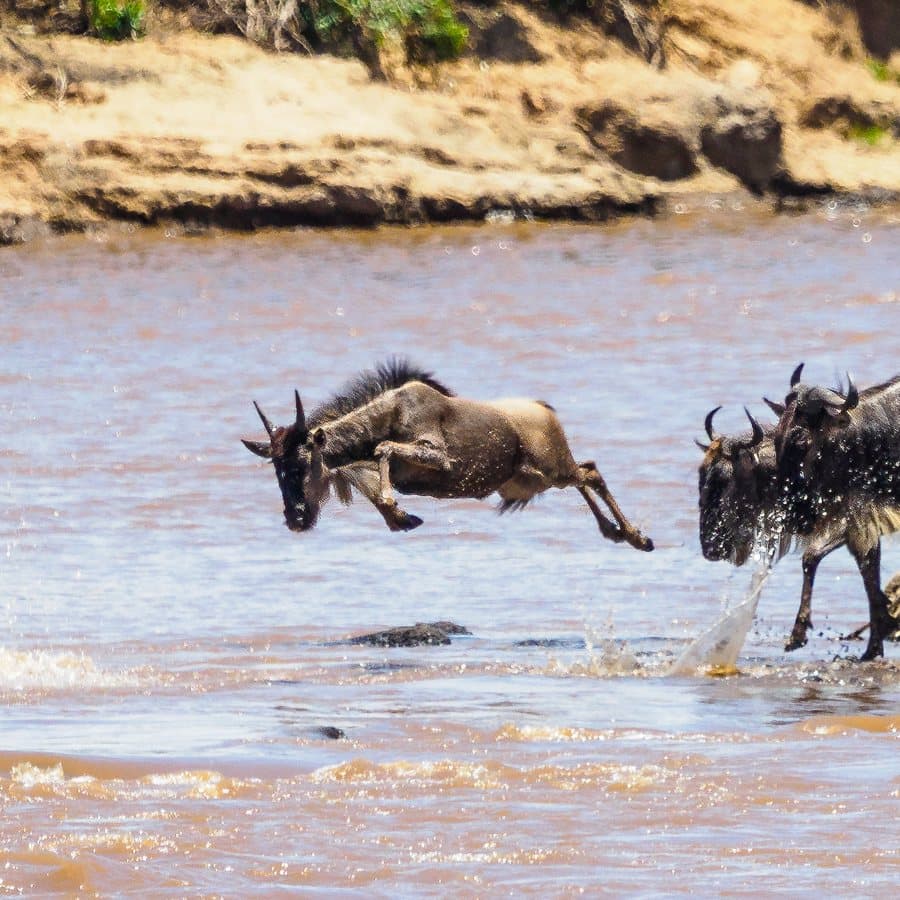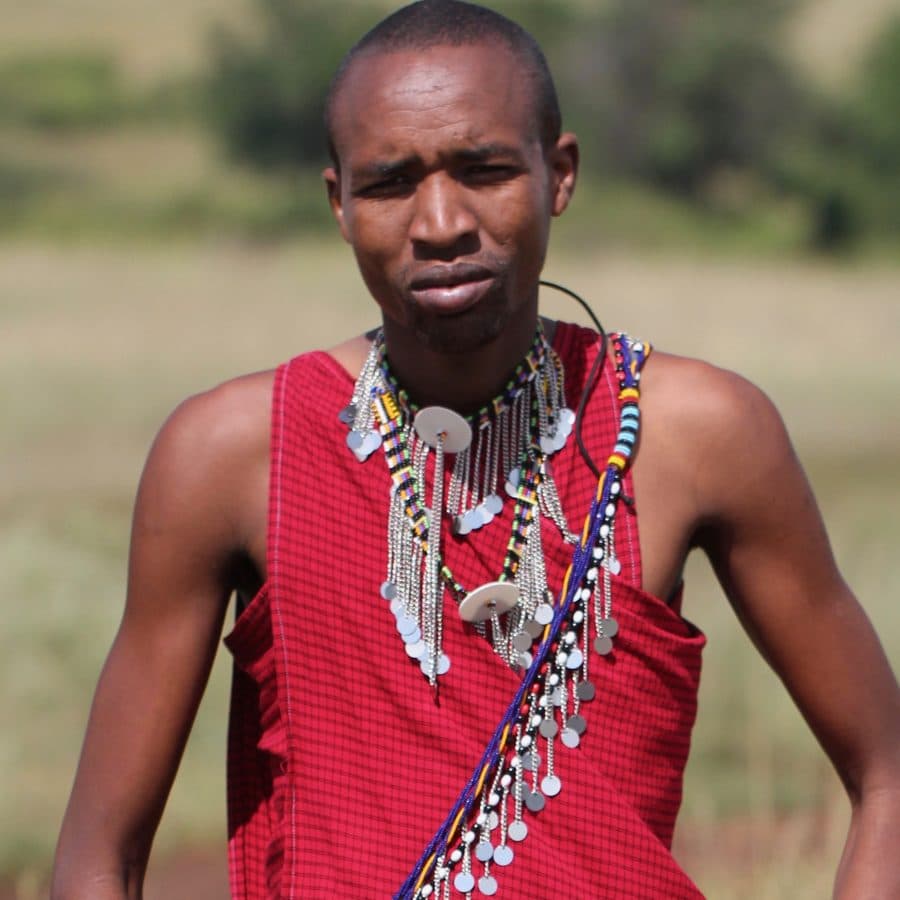
A Global Hub campus landscape.

Global Hubs

Certified
Hub

Pins on themap.

Our first certified Global Hub, on the banks of the Río Futaleufú.

Inside A Hub Stay

Live and learn, together.

Students arrive at a hub and stay for a stretch of weeks. They live on campus together, take meals together, and meet the place alongside a cohort of peers from the rest of the school. Hub stays are an optional part of the IPIA experience, arranged separately from tuition, for families who want them.

A Global Hub campus landscape.

Why The Hubs Exist

  1. A cohort.

    Peers your own age inside the same school, with shared standards and shared work. A 1:1 program has, by structure, no peers.

  2. A landscape chosen for what it teaches.

    Glaciers, reefs, ridges, savannas. Places selected because the subject lives there. The year-round curriculum adapts to where your family already is. The hub takes the student to where the subject is.

  3. Practitioners, not just teachers.

    Glaciologists, climbers, marine biologists, conservation officers, local elders. A qualified teacher is an educator. A hub staffs the field with people who do the work.

  4. The whole person on the line.

    Weather, altitude, terrain, fatigue, a summit you might not reach. Custom curriculum at home is mostly cognitive. Growth from real stakes can't be assigned.

Flagship Program

The IPIA Global Year.

Each year, a cohort of high school students travels with IPIA teachers for a full year abroad, visiting four of our certified Global Hubs. One continuous journey, four landscapes, a year of learning earned in the field and recorded on a full transcript.

Four hubs. One year. The whole world as a classroom.

Patagonia12 SEP 2027Futaleufú · Chile
Costa Rica04 DEC 2027Puerto Viejo
Ladakh · India21 FEB 2028Himalaya
Korea30 APR 2028Seoraksan
Departure01 SEP 2027Florida · USA

Hub Certification

What families can expect at every hub.

The landscape changes. The standard does not. Every IPIA Global Hub is certified to meet the following before a single student arrives.

  • Educational Quality & Rigor

    Each hub includes qualified educators trained in the IPIA approach to place-based learning.

  • Health & Emergency Preparedness

    Hubs maintain emergency plans and ensure staff are certified in CPR and First Aid.

  • Facilities & Logistics

    Learning spaces and accommodations are safe, welcoming, and appropriate for students and families.

  • Community Partnerships

    Local guides, experts, and contractors are carefully selected for their credibility, expertise, and alignment with IPIA values.

  • Communication & Support

    Families receive clear communication, expectations, and support before and throughout their experience.

  • Wellbeing

    IPIA hubs are designed to support the intellectual, physical, and emotional well-being of both students and families.

The Network

A network that travels.

Patagonia is our first certified Global Hub. The rest are in development, each built around a specific landscape and the subjects it teaches better than any classroom can. Multi-week intensives, run alongside the people who live and work in the place.

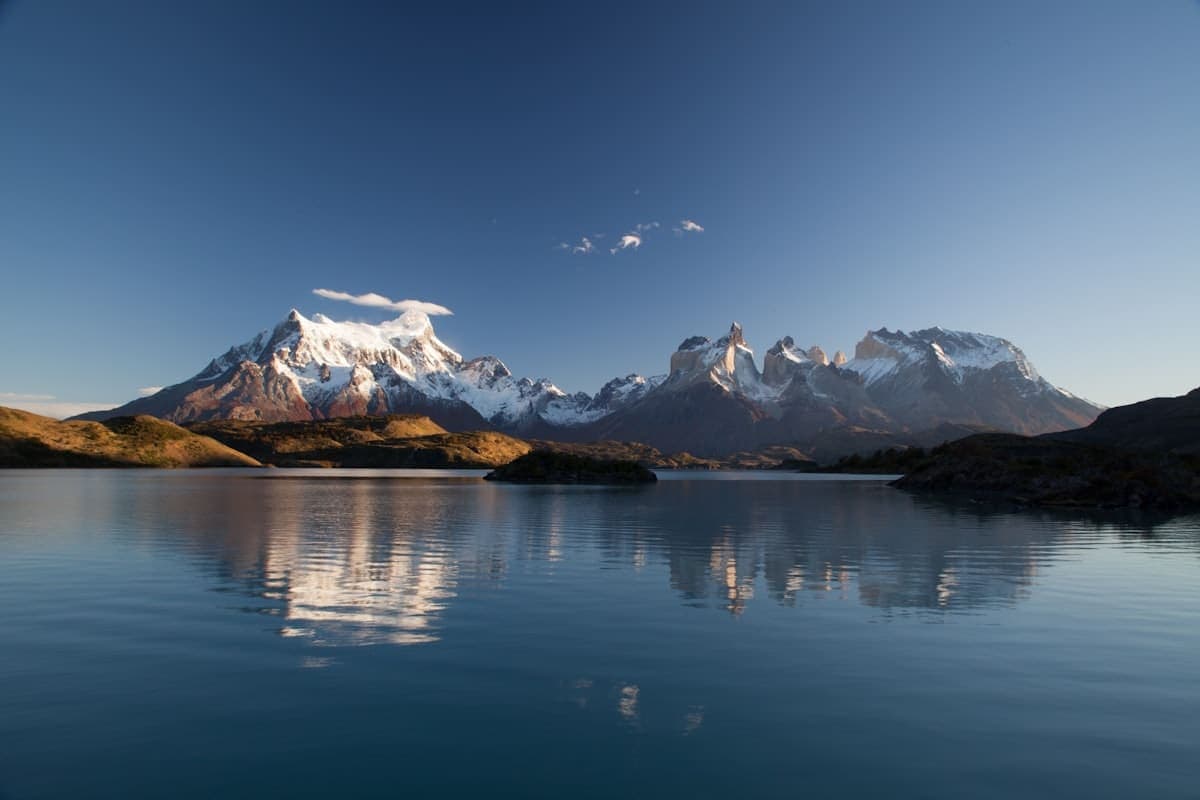
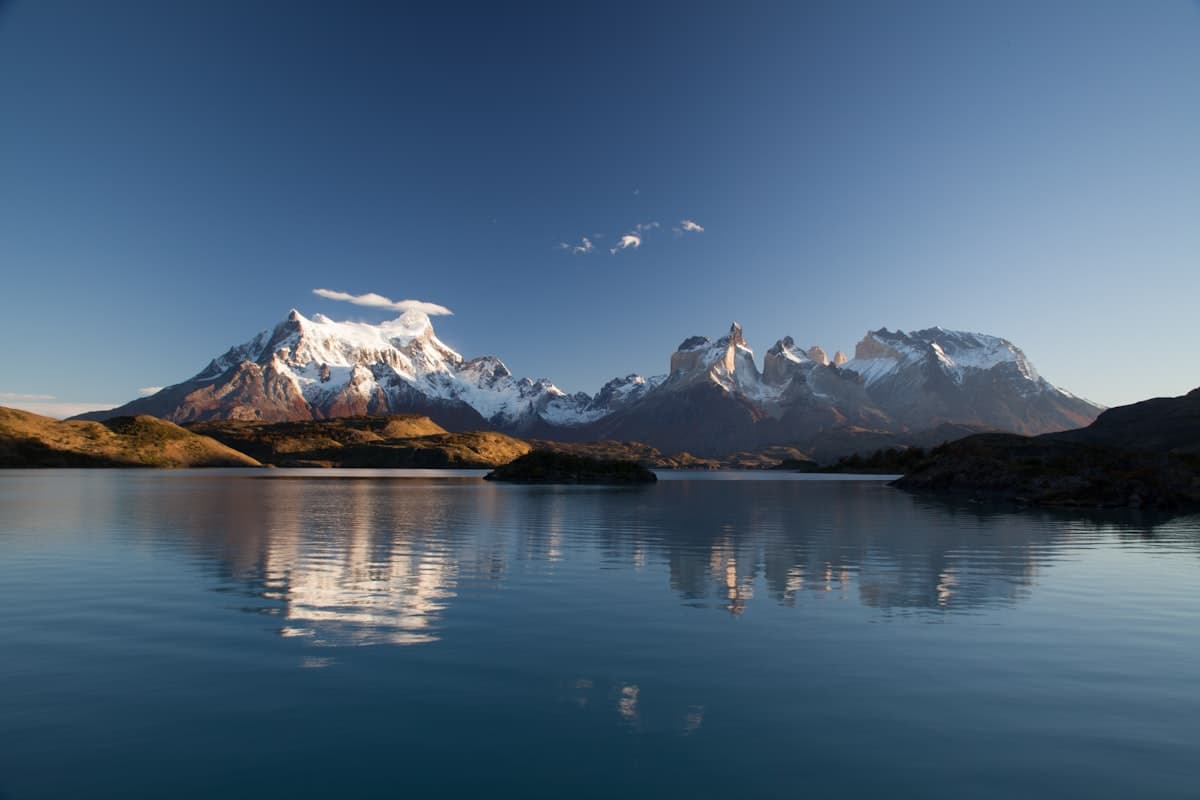
The snow-capped granite spire of Mount Fitz Roy above the Patagonian steppe.
Certified
Hub
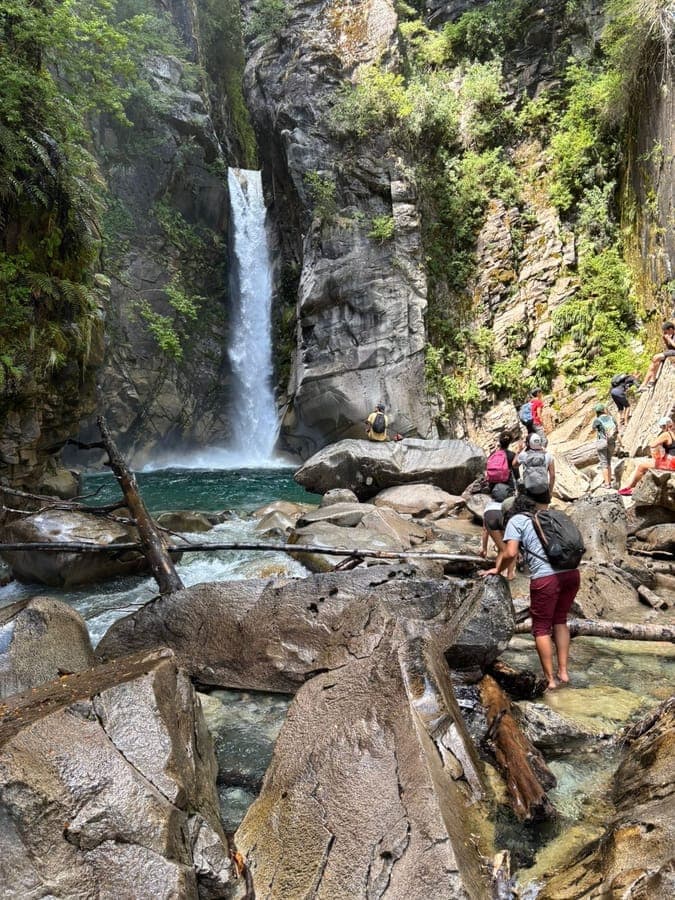
Students scrambling over boulders beside a waterfall and turquoise pool in Patagonia.
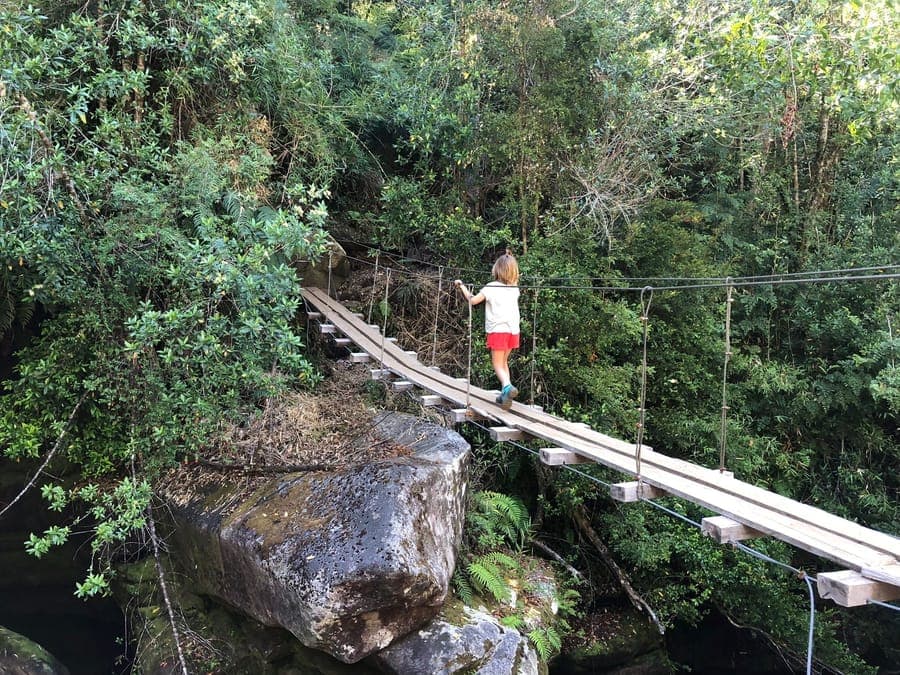
A student crossing a wooden footbridge over a forested Patagonian gorge.

Certified Global Hub

Patagonia

A river that runs through the curriculum.

On the banks of the Río Futaleufú, students live on expedition and work in the field. Days move between swiftwater training, conservation fieldwork with local guides, and writing built around a landscape that earns the word remarkable. This is our first certified Global Hub.

  • Expedition Practice
  • Conservation Fieldwork
  • Field Writing
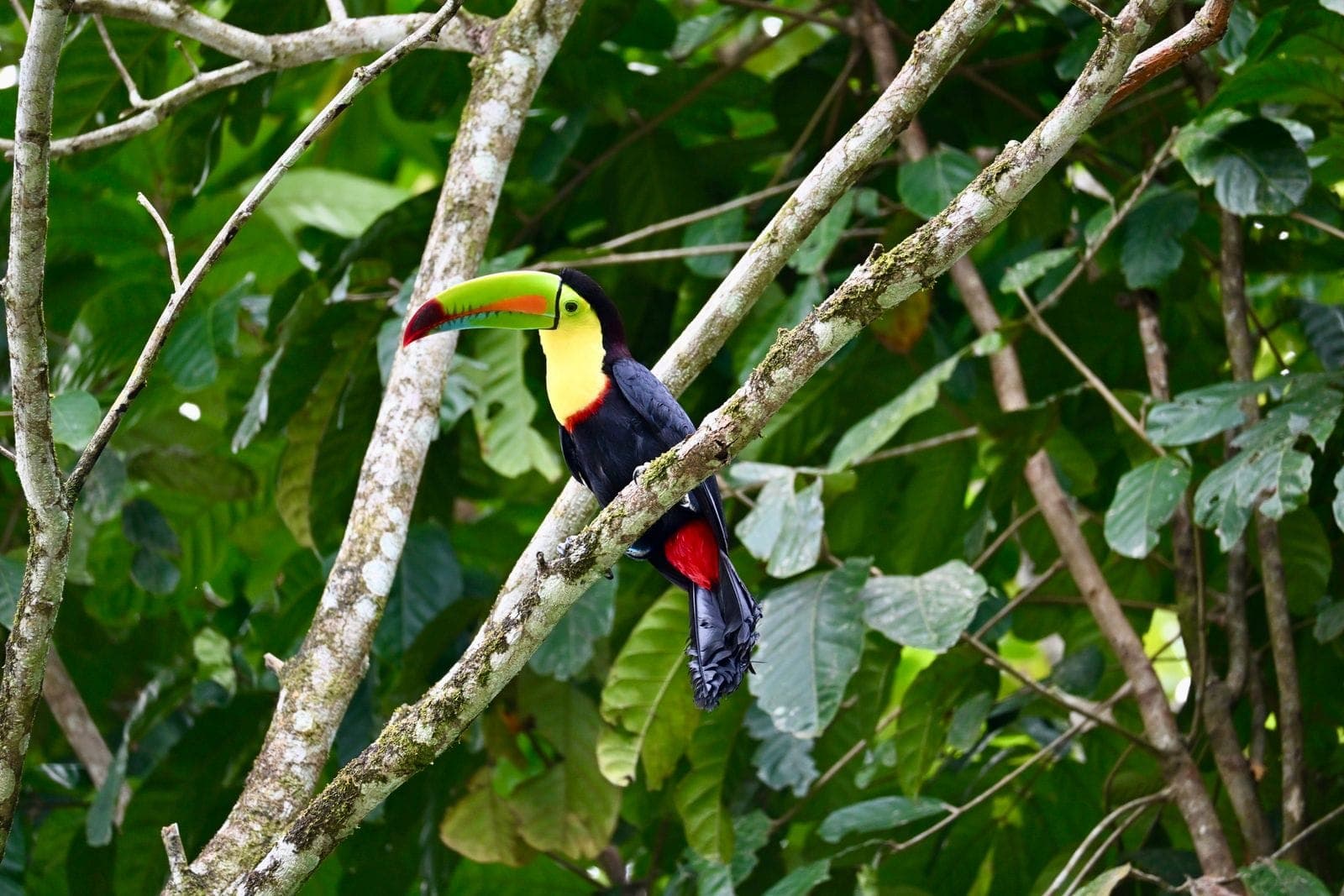
A keel-billed toucan in the Costa Rican rainforest.
Coming
Soon
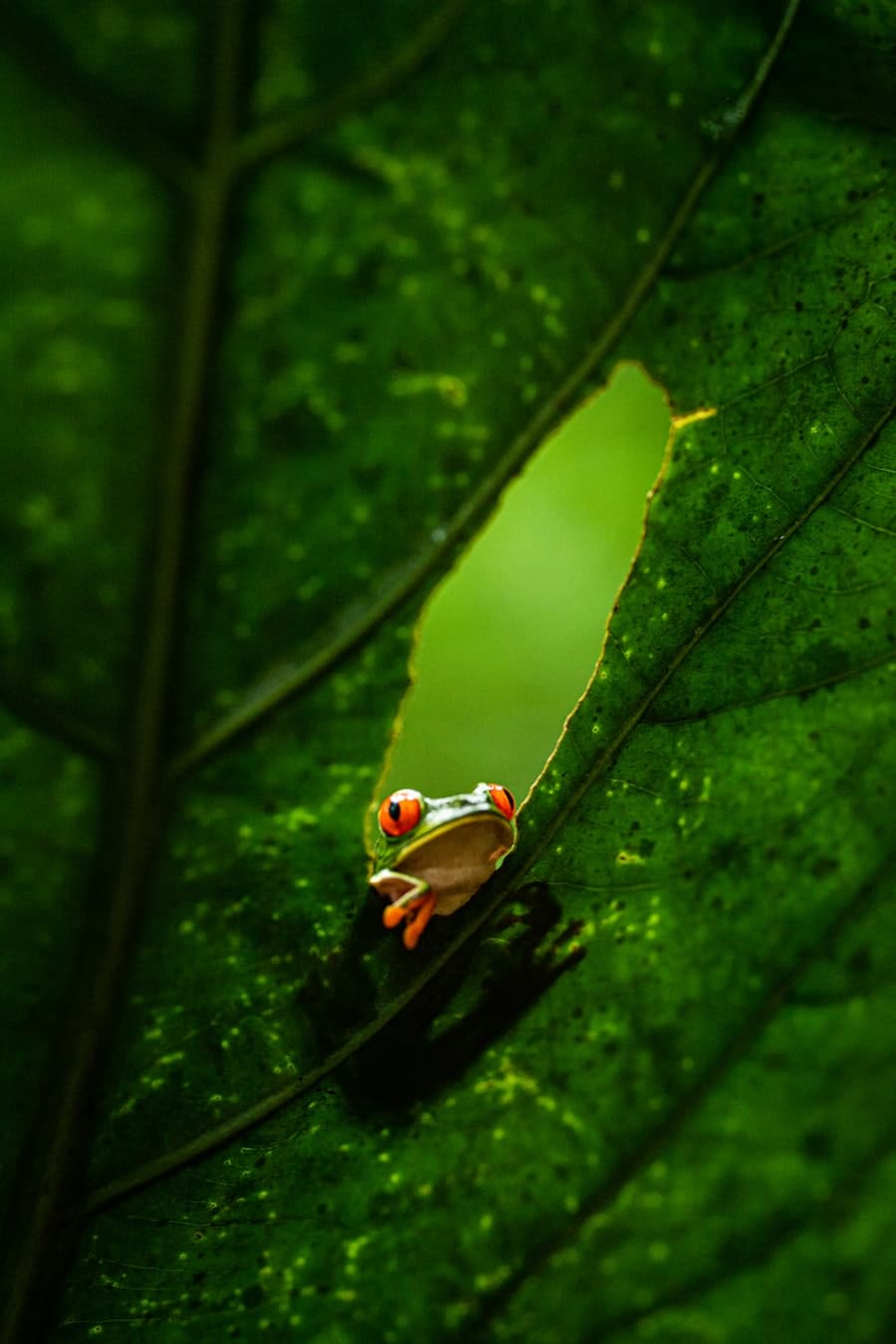
A red-eyed tree frog on a rainforest leaf in Costa Rica.
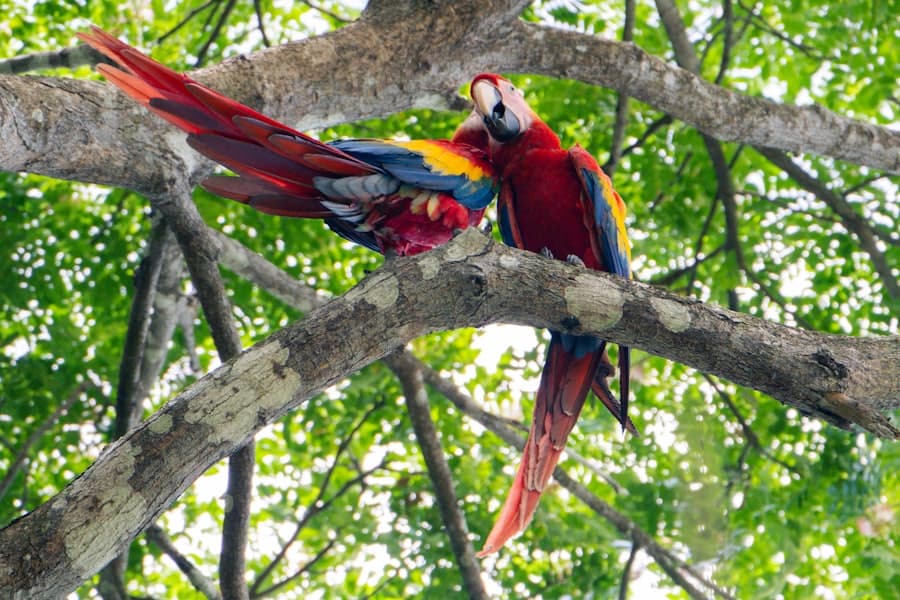
A pair of scarlet macaws in the rainforest canopy.

Global Hub · In Development

Costa Rica

One of the most biodiverse places on earth.

Rainforest ecology, conservation field work, and Pacific marine biology in a country that protects more land per capita than almost any other. Students partner with conservation organizations, run species transects, and study coastal ecosystems from above and below the waterline.

  • Rainforest Ecology
  • Marine Biology
  • Conservation Science
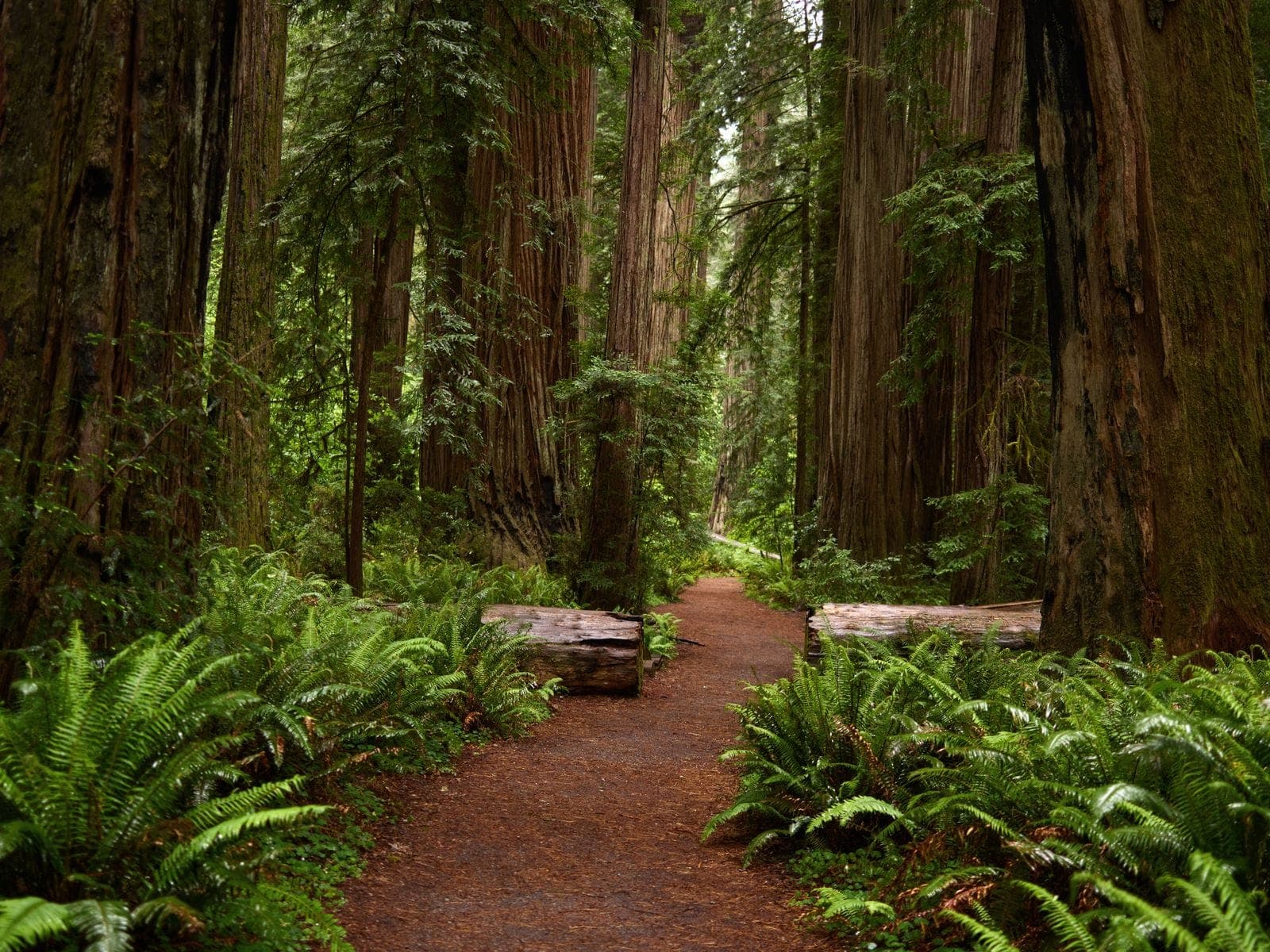
A fern-lined trail through giant redwoods in Northern California.
Coming
Soon
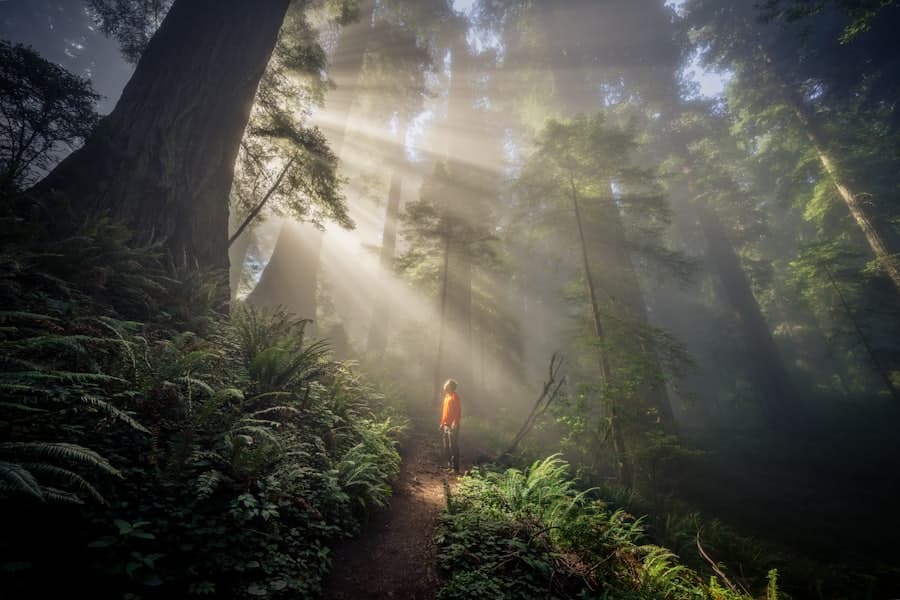
Sunbeams breaking through a misty redwood forest.
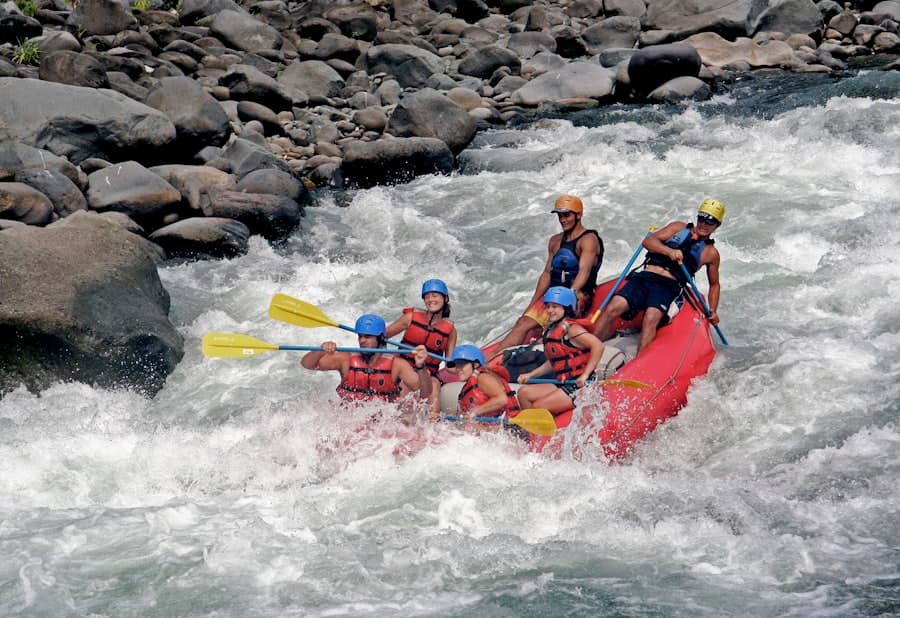
A rafting crew running rapids on a Northern California river.

Global Hub · In Development

Northern California

Ancient forests and wild rivers.

Among the redwoods and the rivers of the far north coast, students run swiftwater and conservation fieldwork, study one of the tallest forests on earth, and trace the Gold Rush history written into the watershed. Hydrology, ecology, and field leadership in one landscape.

  • River Ecology
  • Conservation Fieldwork
  • Field Leadership
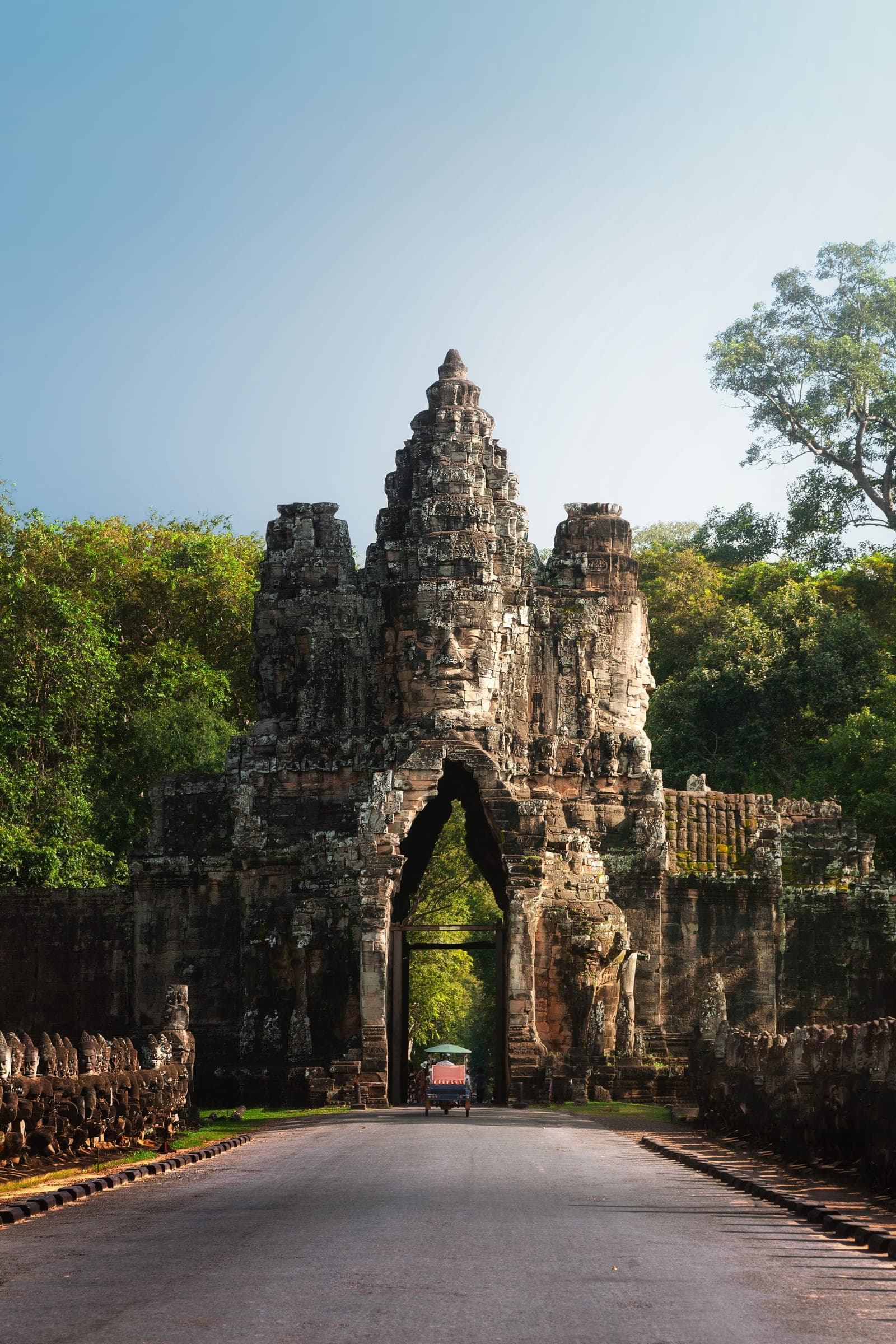
Ancient temple ruins beside a tropical floodplain near Angkor, Cambodia.
Coming
Soon
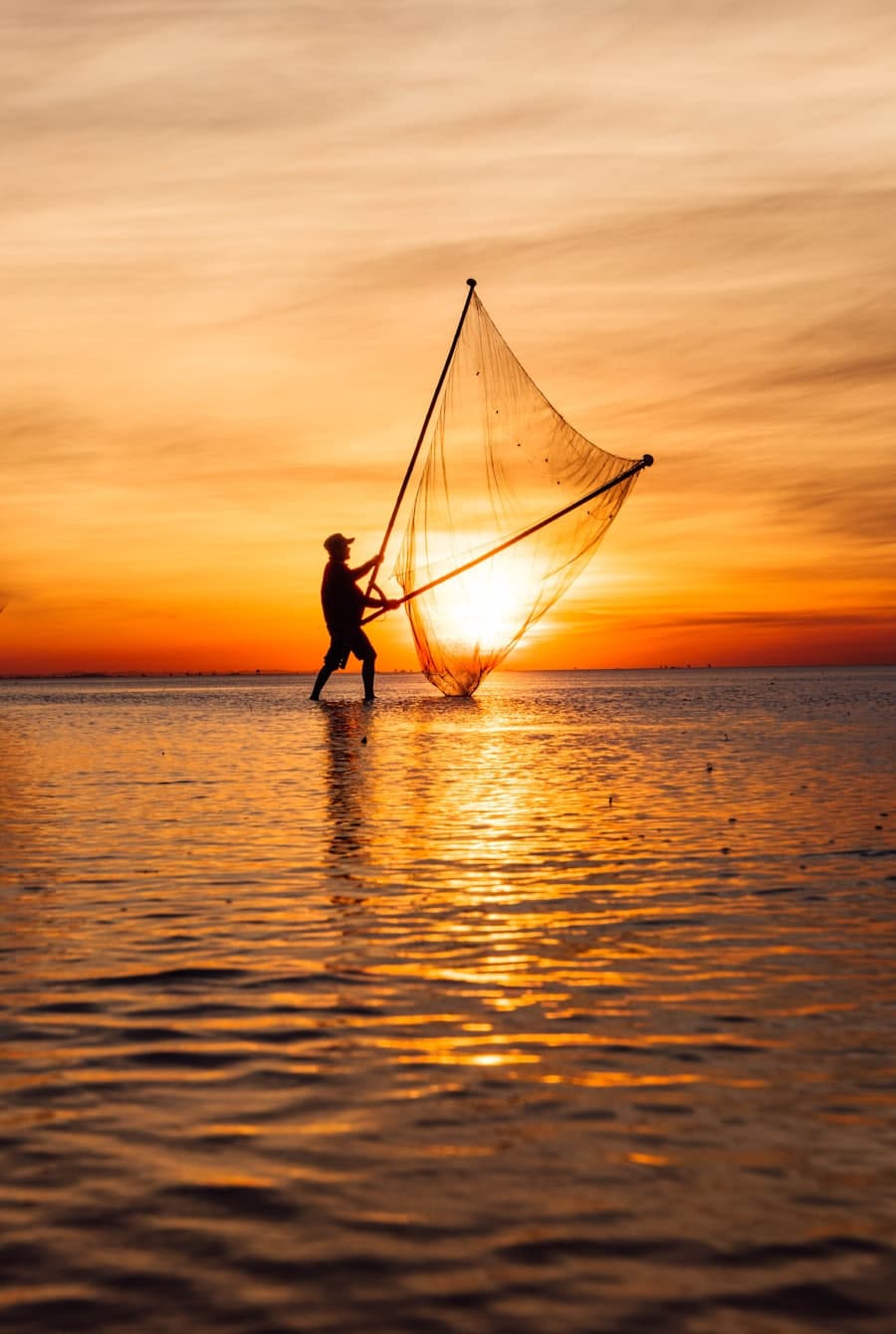
A fisherman casting a net at sunset on the Tonle Sap.
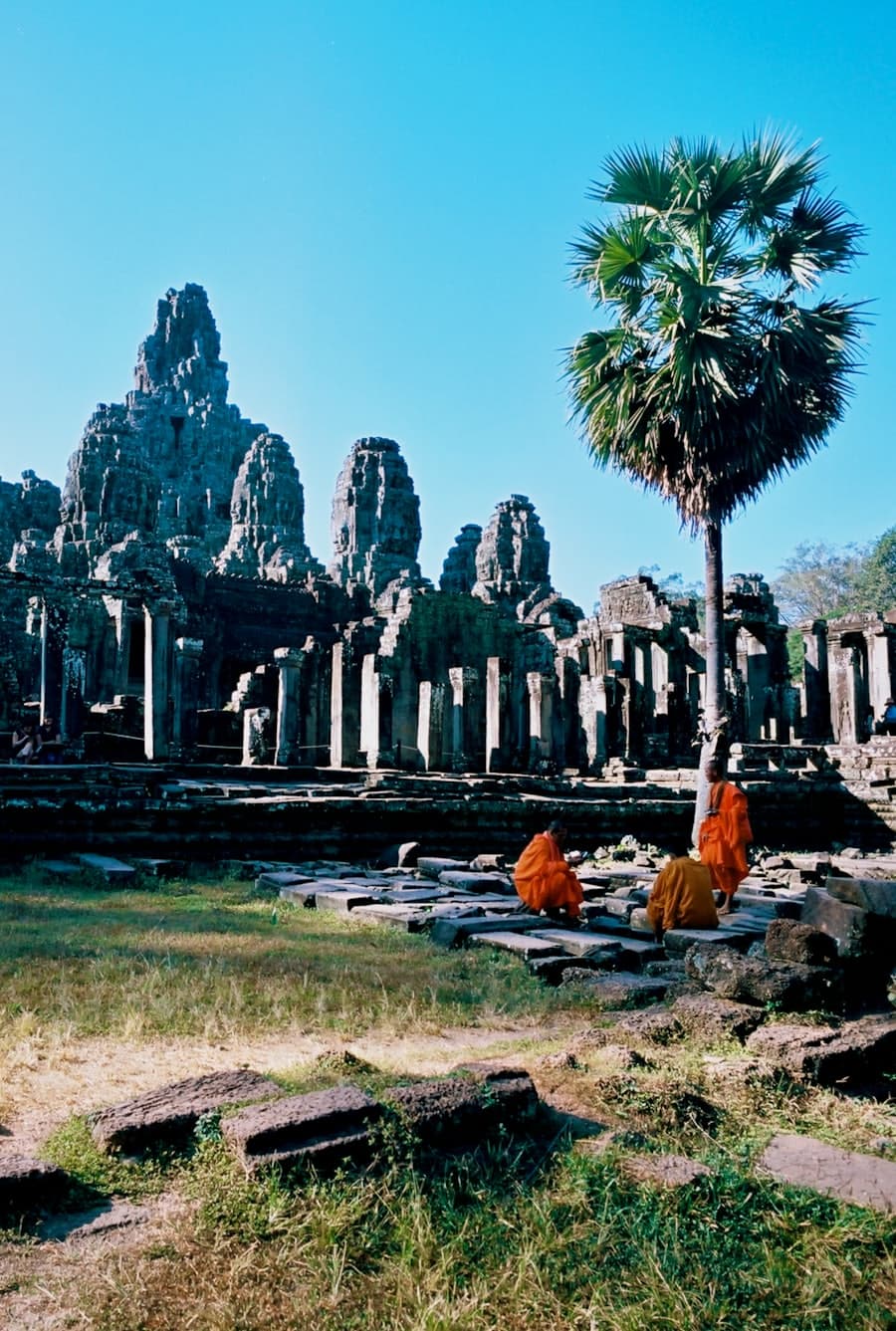
Monks in saffron robes among the temples of Angkor.

Global Hub · In Development

Cambodia

A lost city, and the river that fed it.

Around Angkor and the Tonlé Sap, students read one of the great engineering feats of the ancient world, map a lake that reverses its flow with the monsoon, and study Khmer history with the people who carry it. Archaeology, river ecology, and Southeast Asian history in one floodplain.

  • Archaeology
  • River Ecology
  • Southeast Asian History
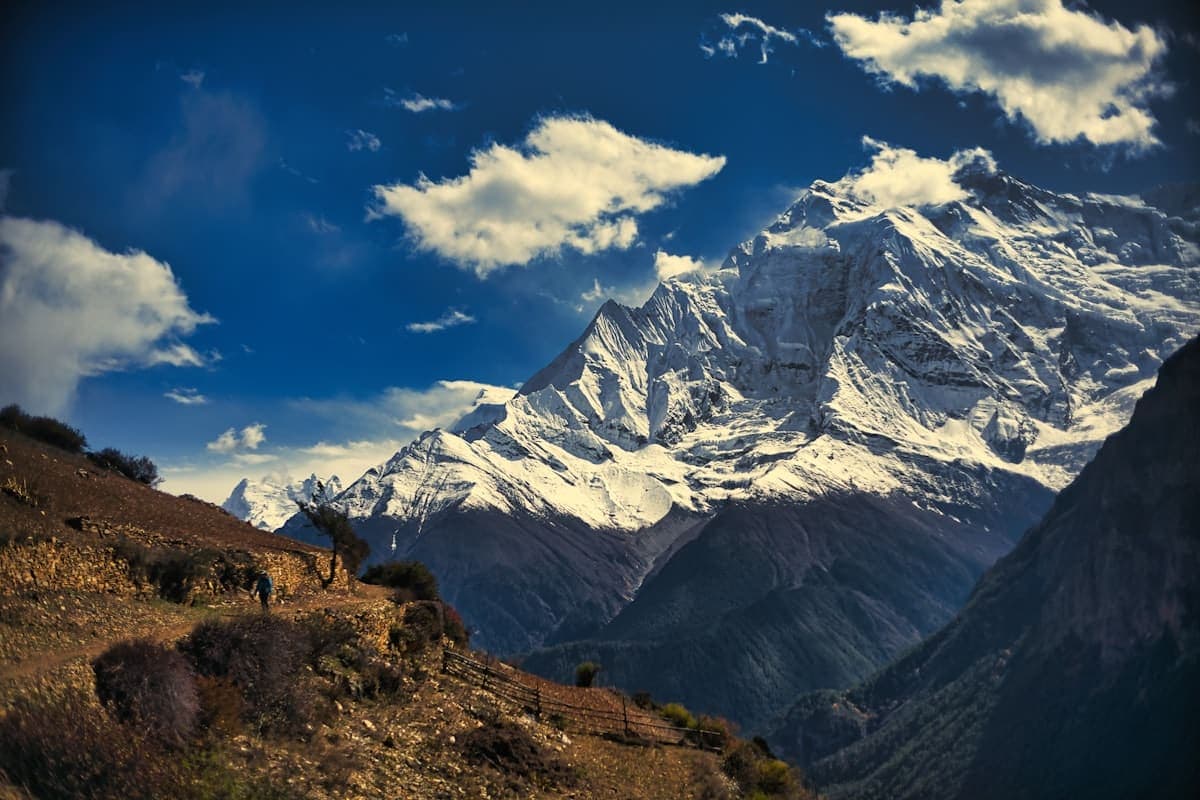
High-altitude Himalayan landscape in Ladakh, northern India.
Coming
Soon
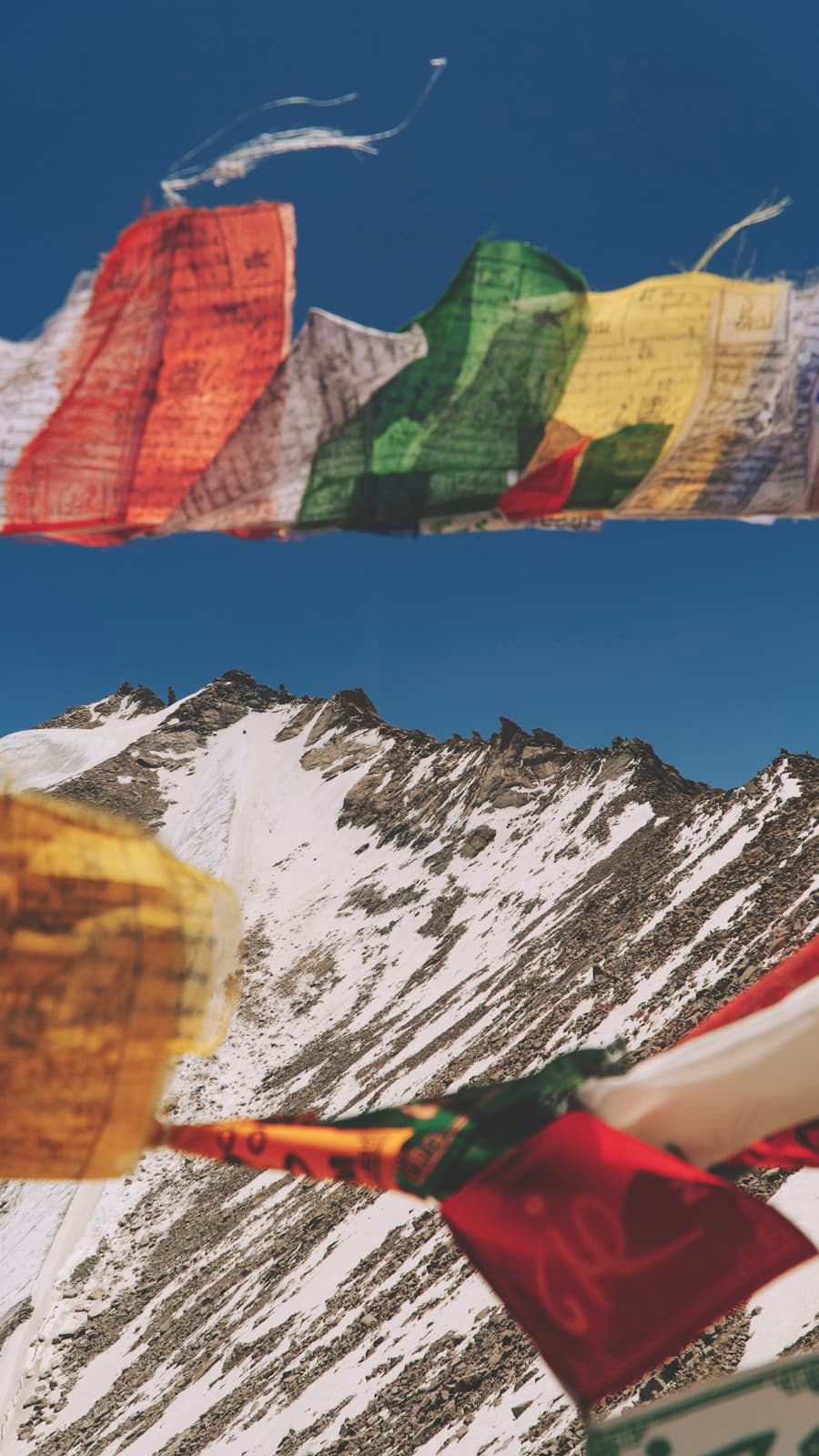
Tibetan prayer flags above the snow peaks of Ladakh.
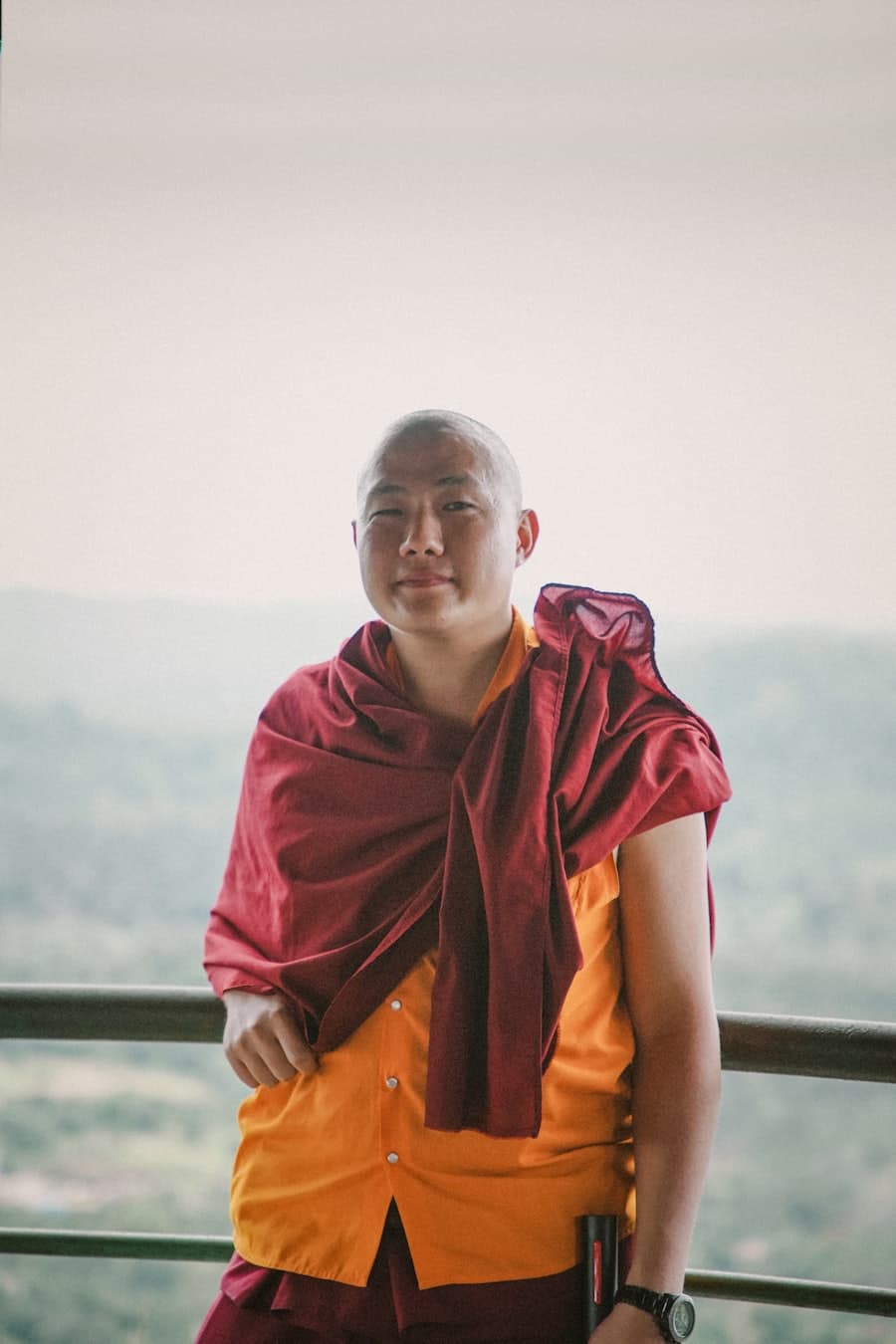
A young Buddhist monk in the Himalaya.

Global Hub · In Development

India

Altitude, and the oldest sciences on earth.

In the high desert of Ladakh, students trek the Indian Himalaya, study high-altitude ecology alongside local guides, and trace the astronomy and mathematics that took shape on the subcontinent long before they reached the West. The classroom sits well above the clouds.

  • Himalayan Ecology
  • Astronomy & Mathematics
  • Expedition Practice
Granite peaks of Seoraksan in South Korea.
Coming
Soon
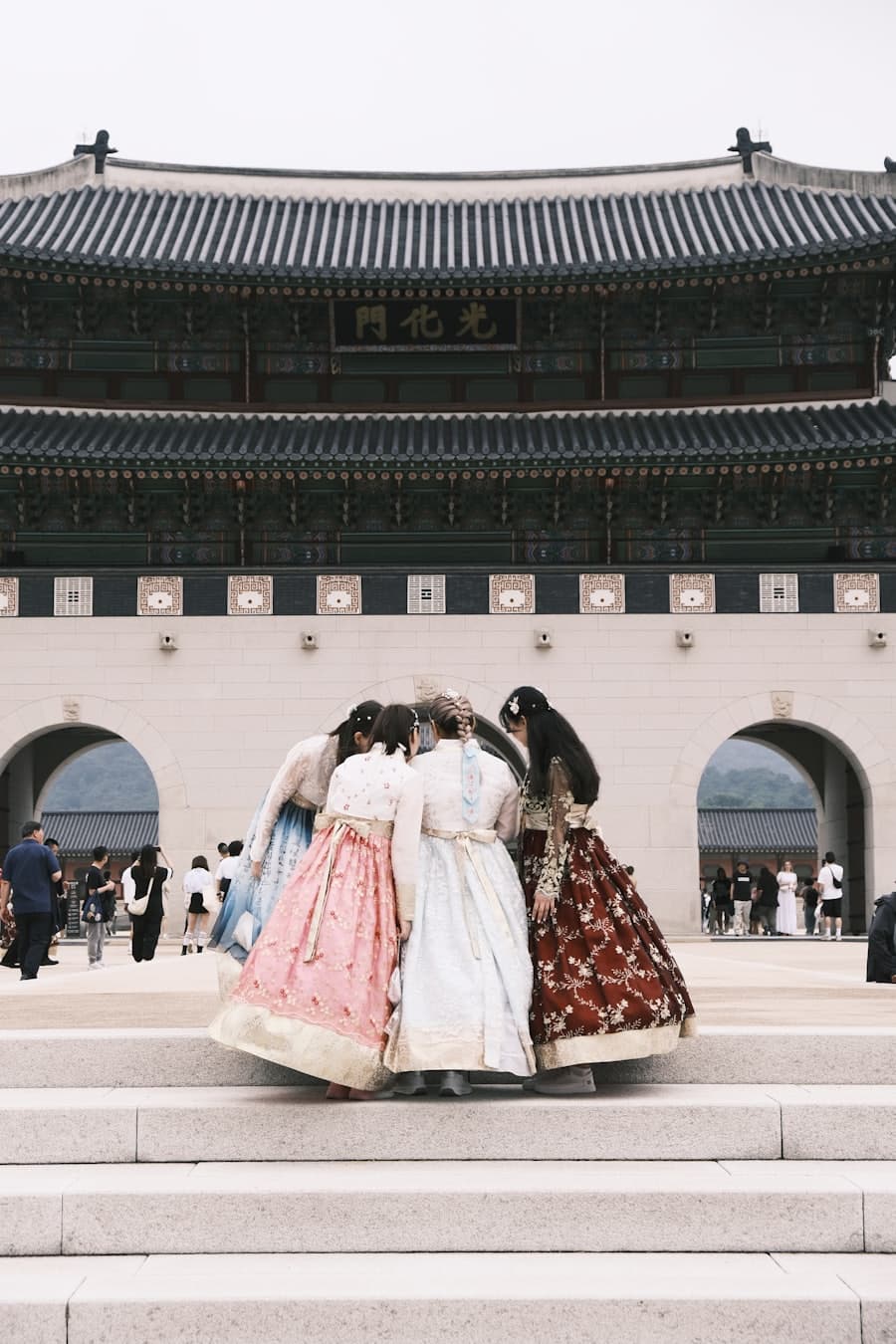
Women in traditional hanbok before the gate of Gyeongbokgung Palace.
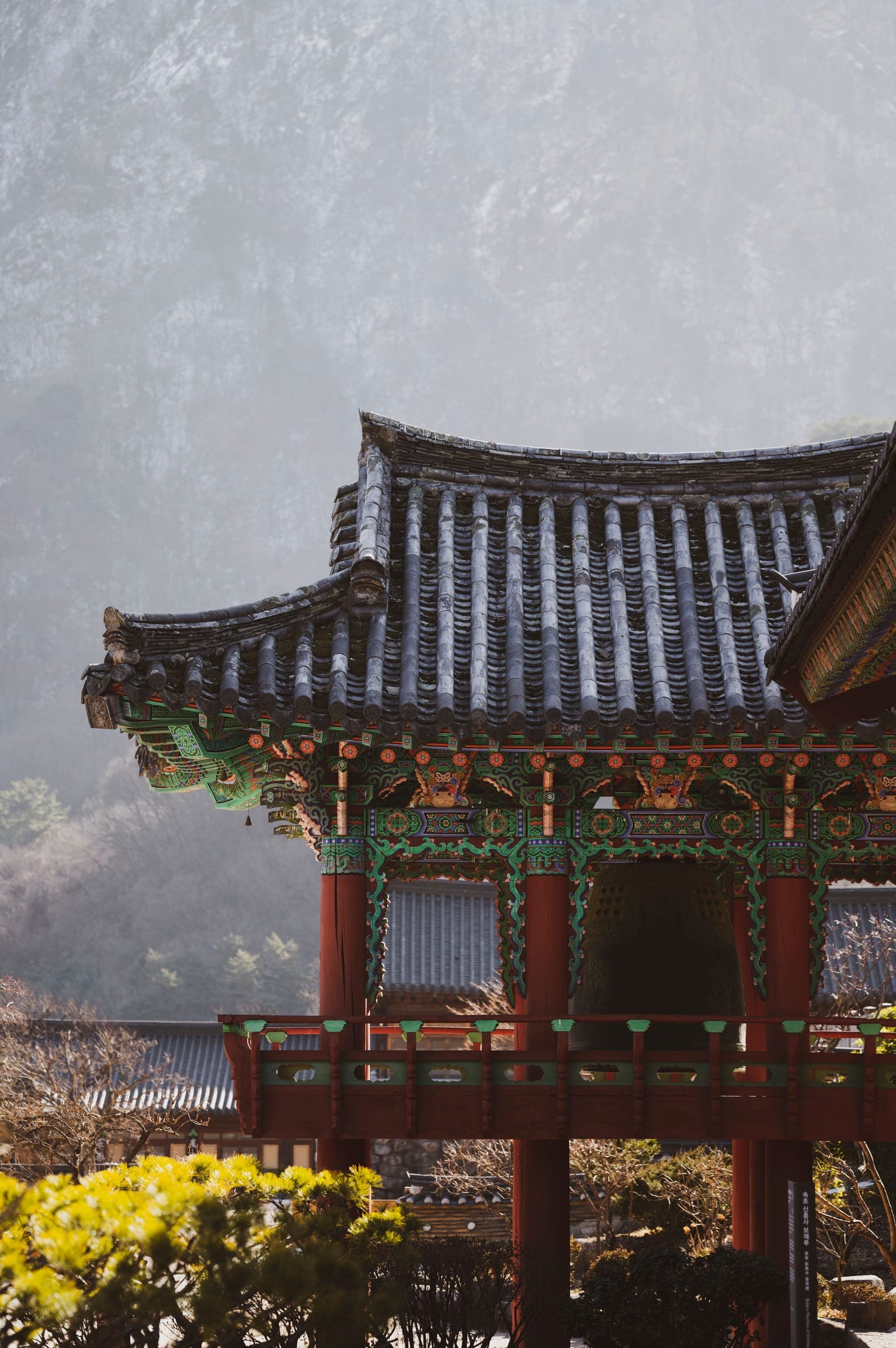
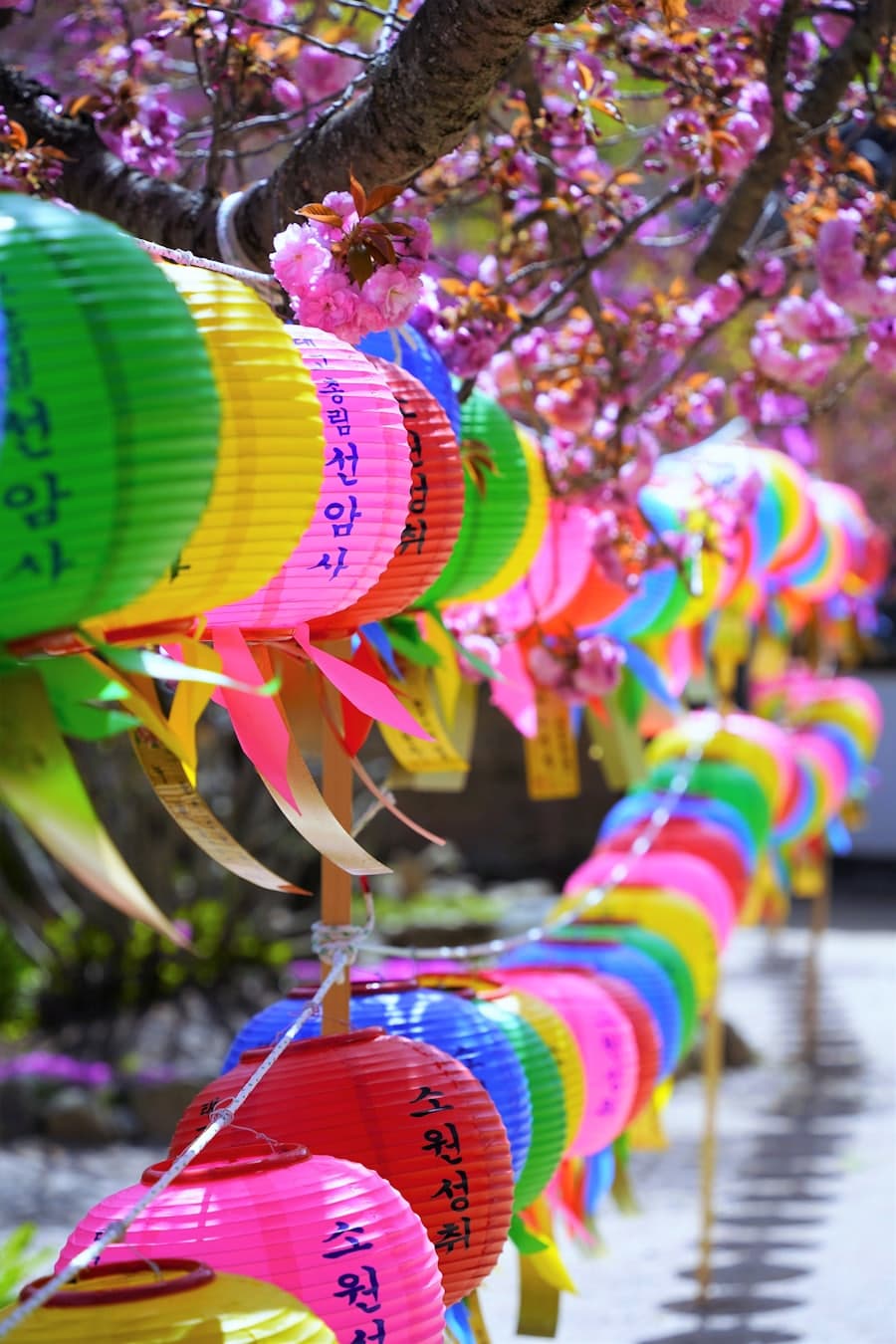
Colorful lotus lanterns at a Korean temple in spring.

Global Hub · In Development

Korea

Mountains, monasteries, and a living frontier.

From the granite ridges of Seoraksan to Buddhist mountain temples and the history of a divided peninsula, students study East Asian history, ecology, and language alongside local guides and scholars. Old traditions and one of the most modern societies on earth, in one country.

  • East Asian History
  • Mountain Ecology
  • Language & Culture

The network grows. New hubs join as the right landscapes and the right partners come together.

Meet you there.

The day you are ready to stand on a glacier or a reef beside a cohort of their peers, a certified hub will be there.

Join the Waitlist

First cohort 2027 · Global Hubs · Florida HQ